
Optimal Timing for Tree Removals
Understanding the best time to perform tree removals can help ensure safety and minimize impact on the landscape. The timing depends on several factors, including tree species, local climate, and specific circumstances such as disease or hazard risk.
Winter is often considered ideal for tree removal because of dormancy, which reduces stress on remaining vegetation and allows easier access due to leafless branches.
Spring and summer may be less favorable due to active growth, but removals may be necessary for safety or health concerns, requiring careful planning.
Fall can be suitable for removals before winter dormancy begins, but weather conditions like snow or rain can affect accessibility and safety.
Weather conditions such as high winds, storms, or heavy rain can influence the timing and safety of tree removal activities.
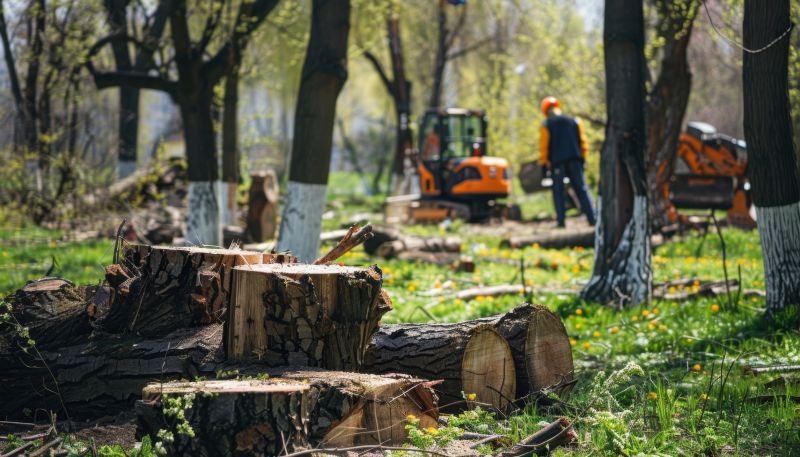
Tree removal during winter benefits from the tree's dormancy, reducing stress and making the process more efficient.
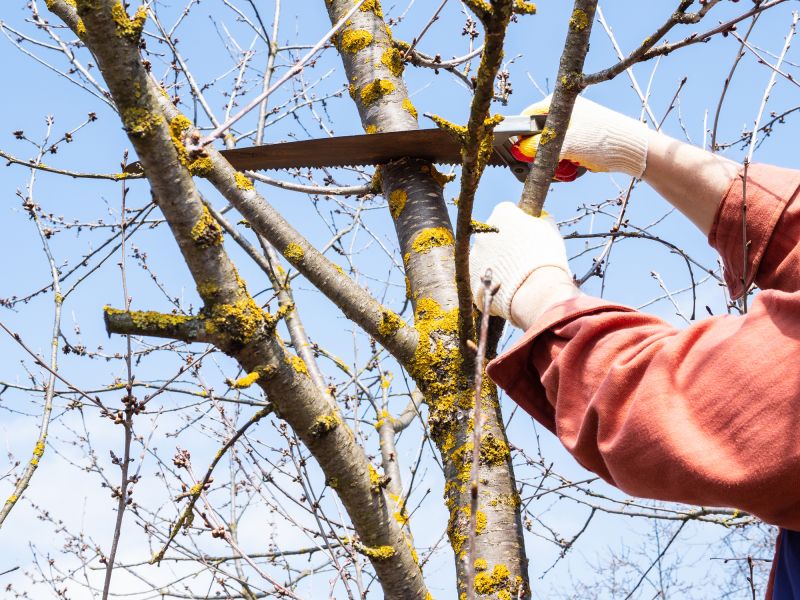
Spring removals require careful timing to avoid damage to budding trees and surrounding plants.
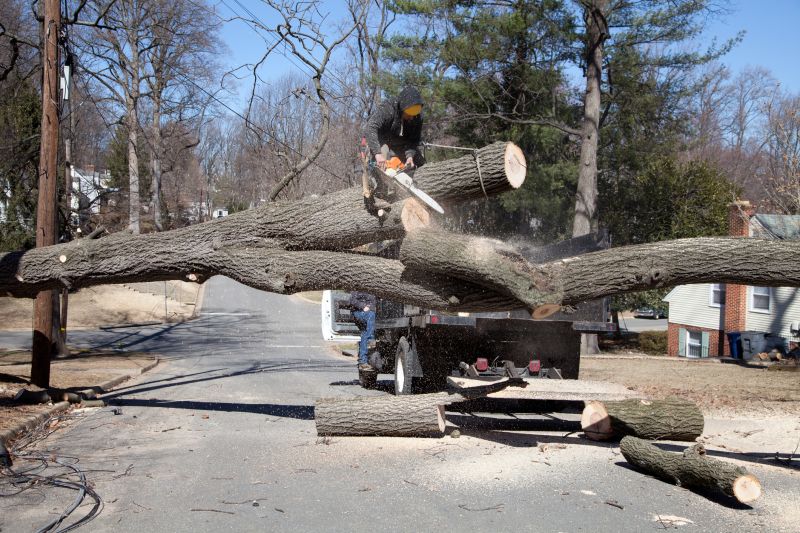
Fall allows for removal before winter dormancy, but weather conditions should be monitored.
Ways to make Tree Removals work in tight or awkward layouts.
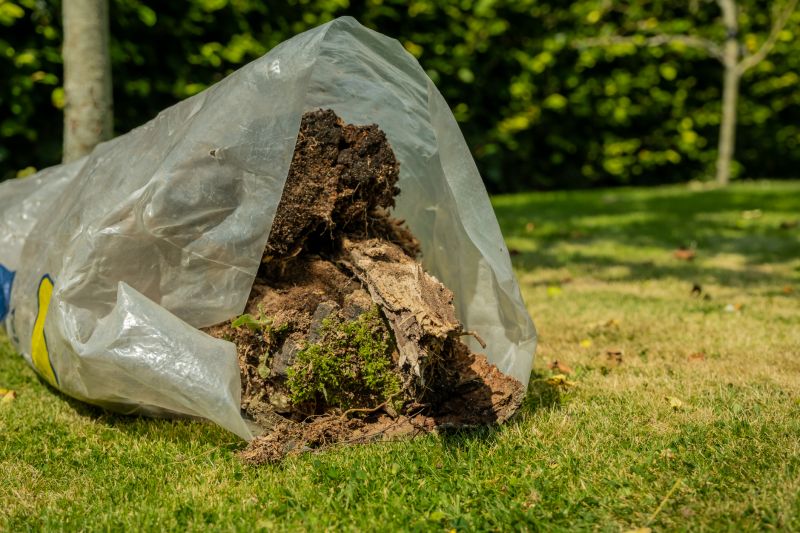
Popular materials for Tree Removals and why they hold up over time.
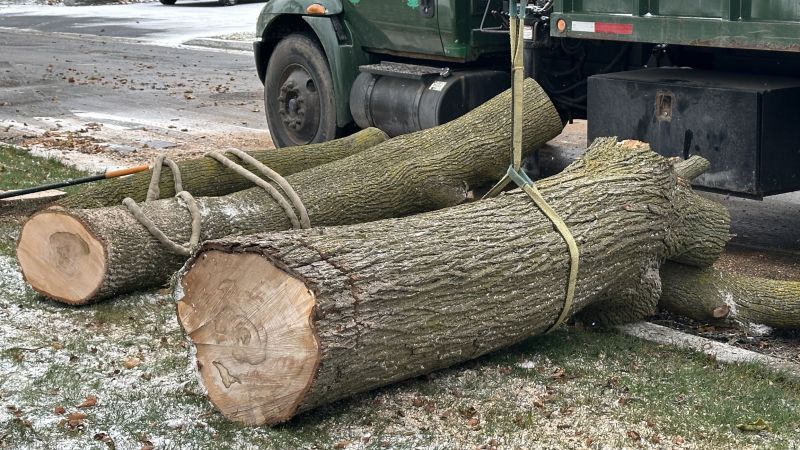
Simple add-ons that improve Tree Removals without blowing the budget.
| Season | Advantages |
|---|---|
| Winter | Less foliage, easier access, reduced stress on remaining trees. |
| Spring | Prevents growth-related damage, early hazard mitigation. |
| Summer | Potential for ongoing growth issues, risk of storm damage. |
| Fall | Prepares trees for winter, optimal before dormancy. |
Tree removals are a critical part of landscape management, especially when trees pose safety risks, are diseased, or interfere with construction projects. Proper timing can reduce the impact on surrounding vegetation and improve safety during removal. Statistically, performing removals during dormancy can decrease the likelihood of pest spread and disease transmission, while also facilitating easier and safer operations.
In Wisconsin, seasonal weather patterns significantly influence the planning of tree removals. Cold winters with snow and ice can complicate access and safety, while milder periods in late fall and early winter often provide the best conditions for safe and efficient removal activities.
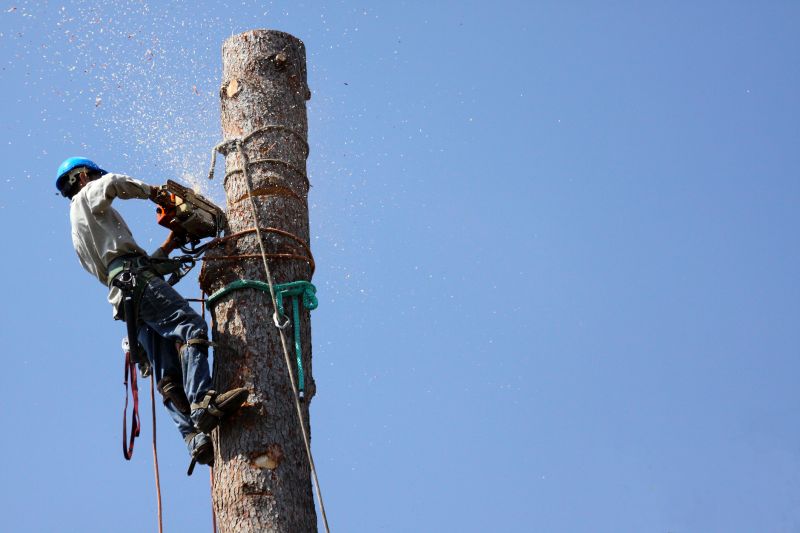
Specialized equipment is used for safe removal, especially during optimal seasons for accessibility.
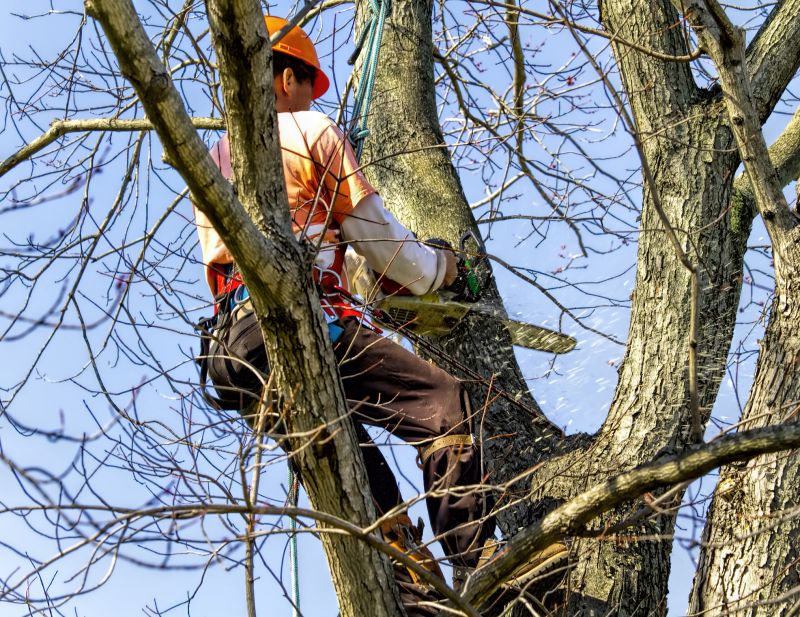
Urgent removals often depend on weather and safety considerations to determine the best timing.
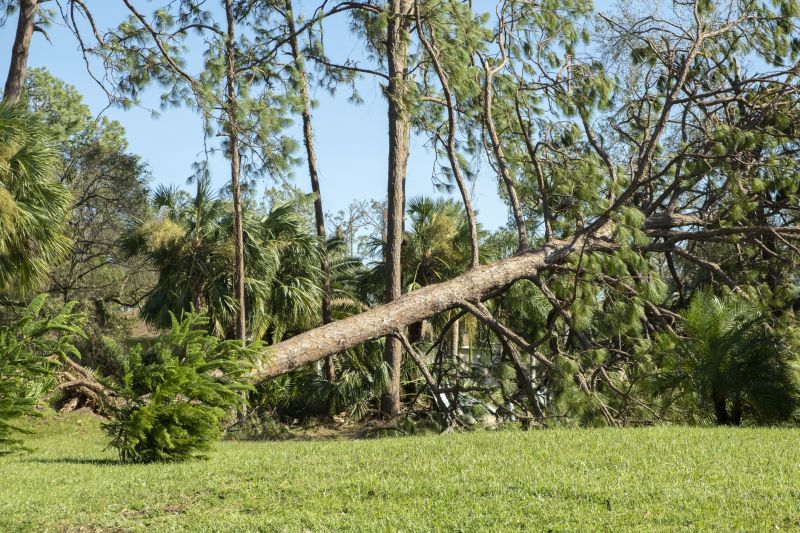
Removing healthy trees may be scheduled during dormancy to minimize landscape disruption.
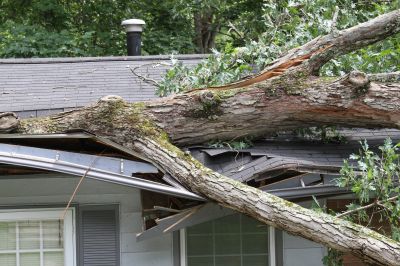
Storm-damaged trees require immediate action, regardless of season, to ensure safety.
Interested parties should contact for further guidance on scheduling tree removals. Proper timing can enhance safety, reduce costs, and ensure the health of remaining landscape elements.