
Popular Tree Removal Products for Professional Results
Discover the most trusted tools and gear favored by professionals for clean and precise tree removal tasks.
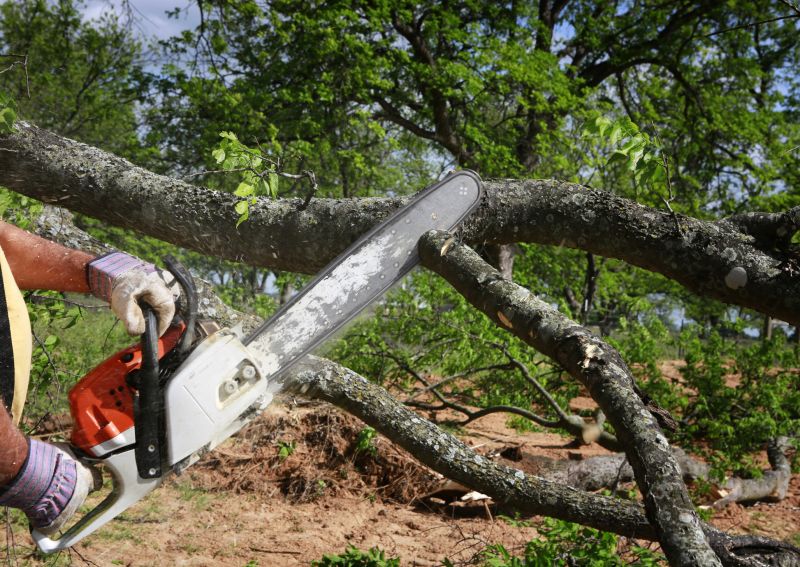 Tree removal is a task that often requires specialized equipment and careful planning to ensure safety and efficiency. Whether managing a hazardous tree, clearing space for construction, or maintaining landscape aesthetics, selecting the right tools is essential. From manual hand tools to powered equipment, there is a variety of products designed to facilitate different aspects of tree removal. Proper selection can help reduce risks, improve work quality, and make the process more manageable for both professionals and DIY enthusiasts.
Top Overall Option
Multi-Purpose Tree Removal Tool Kit
A comprehensive set that includes various hand tools, safety gear, and small powered equipment designed to handle different aspects of tree removal projects. This kit is suitable for DIY enthusiasts and professionals alike, offering versatility and convenience in one package.
Types of Products For Tree Removals
Chainsaws
Powerful handheld tools used for cutting through thick branches and trunks, available in gas, electric, and battery-operated models.
Pole Saws
Extendable saws designed for pruning or cutting high branches without the need for ladders.
Pruning Saws
Handheld saws ideal for trimming branches and smaller trees with precision.
Manual Hand Pruners
Compact tools for detailed trimming and branch removal on smaller limbs.
Rope and Pulley Systems
Assist in controlling the fall of large branches or trees during removal.
Safety Gear
Includes helmets, gloves, eye protection, and ear protection to ensure safety during tree work.
Stump Grinders
Equipment used to grind down remaining stumps after tree removal.
Chippers and Mulchers
Machines that convert branches and debris into mulch or chips for easier disposal.
Cranes and Lifting Equipment
Heavy machinery used for removing large or hazardous trees safely.
Aerial Lifts and Cherry Pickers
Elevated platforms that facilitate reaching high branches or trees in tight spaces.
Stump Removal Chemicals
Chemical solutions that accelerate stump decay for easier removal.
Loppers
Long-handled pruners suitable for cutting thicker branches with leverage.
Climbing Gear
Harnesses, spikes, and ropes designed for safe tree climbing and removal.
Debris Bags and Containers
Durable bags for collecting and transporting branches and debris.
Tree Felling Wedges
Tools used to guide the direction of a falling tree or large branch.
Popular Choices
Portable and convenient for small to medium tree cutting tasks, offering flexibility without cords.
Ideal for reaching high branches safely from the ground.
Versatile tools for detailed trimming and branch removal.
Essential safety equipment that provides head and face protection during tree work.
Attachable tools for existing equipment to handle stump removal efficiently.
Strong, long-handled pruners for cutting thicker branches with ease.
Compact machines suitable for processing branches into mulch on-site.
Secure harnesses designed for safe ascent and work at height.
Machines that assist in lifting and positioning large tree sections or debris.
Products that help accelerate stump decay for easier removal.
Tools to control the direction of a tree’s fall safely.
Convenient for trimming high branches without the hassle of cords.
Nets used to catch falling branches and debris for safer cleanup.
Accessories that enhance ladder stability during high work.
Spikes used for safe climbing and descending trees during removal.
Assist in pulling or lowering large branches or trunks.
When considering tree removal products, safety features are paramount. Equipment such as chainsaws and pole saws come with safety guards, anti-vibration features, and ergonomic designs to minimize fatigue and injury. Additionally, accessories like harnesses, ropes, and protective gear complement the main tools, ensuring a comprehensive approach to tree removal projects. It's important to evaluate the size and type of trees, the terrain, and the user's experience level when choosing suitable equipment.
Proper maintenance and understanding of each product's capabilities can enhance efficiency and safety. For example, regular chain sharpening extends the lifespan of chainsaw blades, while choosing the correct size of a pruning saw or pole pruner can make the task easier. For larger or more complex removals, equipment like cranes or stump grinders may be necessary. Always prioritize safety protocols and manufacturer instructions to ensure a smooth and secure operation from start to finish.
In the context of New Berlin, WI, where property management and landscape maintenance are common, having a versatile set of tools for tree removal can be highly beneficial. Whether for professional arborists or homeowners, investing in quality equipment tailored to specific needs can help manage trees effectively while maintaining safety standards. Remember, consulting local regulations and possibly hiring professionals for hazardous or large-scale removals is advisable to ensure compliance and safety.
Key Buying Considerations
- Tree size and type: Ensure the equipment is suitable for the specific trees you plan to work on, including trunk diameter and branch density.
- Power source: Decide between gas, electric, or battery-powered tools based on mobility needs and power requirements.
- Safety features: Look for safety guards, anti-vibration handles, and protective gear compatibility.
- Ease of use: Consider the user's experience level and choose tools that match their skill set.
- Durability and build quality: Invest in equipment made from high-quality materials for longevity and reliable performance.
- Maintenance requirements: Understand the upkeep needed for each tool, including sharpening, cleaning, and part replacements.
- Terrain compatibility: Choose equipment suitable for the terrain, whether flat, hilly, or wooded areas.
- Storage and portability: Consider the size and weight of tools for easy transport and storage.
- Budget constraints: Balance features and quality within your budget to ensure value for money.
- Local regulations: Verify compliance with local safety and environmental regulations, especially for larger machinery.
- Availability of accessories: Check if compatible attachments or accessories are readily available for expanded functionality.
- Noise levels: Be aware of noise restrictions in your area and select quieter equipment if needed.
- Environmental conditions: Consider weather resistance and suitability for outdoor use in Wisconsin's climate.
- Professional vs DIY use: Match the equipment complexity and capacity to your experience and project scope.
- Emergency features: Look for quick-stop or emergency shutoff features for added safety.